
Where
Onsite: Malmömässan D1
Online Live: Zoom link TBD
ECCV 2026 Workshop @ Malmö, Sweden
Recent advances in visual generative models have enabled high-quality content generation across images, videos, and emerging 3D/4D representations, demonstrating remarkable fluency, perceptual fidelity, and creative expressiveness, and reshaping AI research, industry, and human society.
Concurrently, these advances have given rise to increasingly prominent intellectual property (IP) challenges specific to visual content. As real-world visual data encode rich perceptual and spatiotemporal structures reflecting real-world distributions and human-centered applications, visual generative models learn such structured knowledge from large-scale, well-annotated data and subsequently enable continuous generation, transformation, and secondary creation of visual content, causing IP risks to permeate the entire life cycle of visual generative systems.
The LifeGenIP workshop aims to provide a focused forum on Life-Cycle IP Governance of Visual Generative Models, emphasizing IP challenges spanning the entire model life cycle, from data collection and training to content generation, reuse, and long-term deployment.
The workshop calls for submissions addressing, but not limited to, the following topics:
Submission Type: We welcome two types of submissions to the workshop and encourage the dissemination and discussion of recent findings related to the workshop topics:
Submission Format: Submissions must use the ECCV 2026 paper template (LaTeX), with up to 14 pages of main content; references and appendix are unlimited.
Submission Portal: Papers are submitted through OpenReview: Archival Track submission portal and Non-Archival Track submission portal.
Awards & Presentation: Among the accepted papers, one will be selected for the Best Paper Award and two for Best Paper Runner-up. Two papers will be featured as oral presentations, while the remaining papers will be presented as posters.
Archival Track:
Non-Archival Track:
All deadlines are in Anywhere on Earth (AoE) time.

Adobe Research; University of Surrey
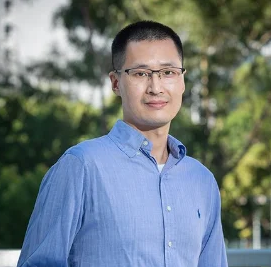
Hong Kong Baptist University / RIKEN

Nanyang Technological University

University Federico II of Naples

University of Texas at Austin
In Alphabetical Order by Last Name
September 8, 2026 Tentative

Sydney AI Centre, The University of Sydney

University of Oxford

Sydney AI Centre, The University of Sydney

Mohamed bin Zayed University of Artificial Intelligence

Mohamed bin Zayed University of Artificial Intelligence

The University of Melbourne; Mohamed Bin Zayed University of Artificial Intelligence

University of Oxford

University of Oxford

University of Oxford
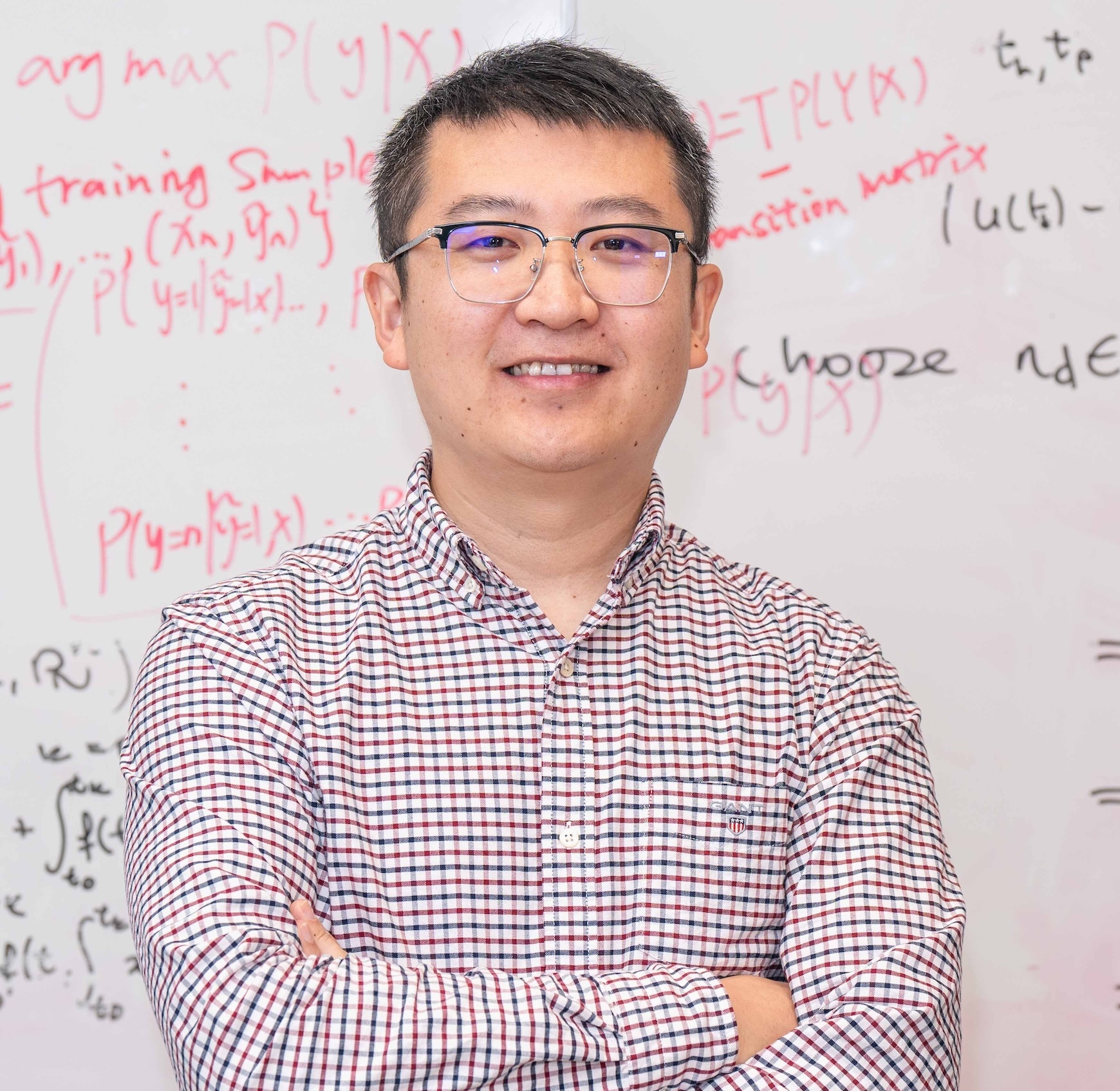
Sydney AI Centre, The University of Sydney; Mohamed Bin Zayed University of Artificial Intelligence
We are actively seeking sponsors and industry partners to support the LifeGenIP Workshop at ECCV 2026. Organizations interested in supporting our program, including the workshop and the associated competition, are warmly invited to contact the organizing committee at lifegenip_workshop@googlegroups.com.
For workshop coordination, submission questions, speaker-related inquiries, and sponsorship opportunities, please contact the organizing committee: lifegenip_workshop@googlegroups.com